Story and comic concepts
Keep a protagonist recognizable across scene, mood, wardrobe, and location experiments.
Independent tool overview
Ideogram Character uses one reference image to preserve a real or imagined character's recognizable face and hair across newly generated scenes and styles.
Visit the official Ideogram Character site ↗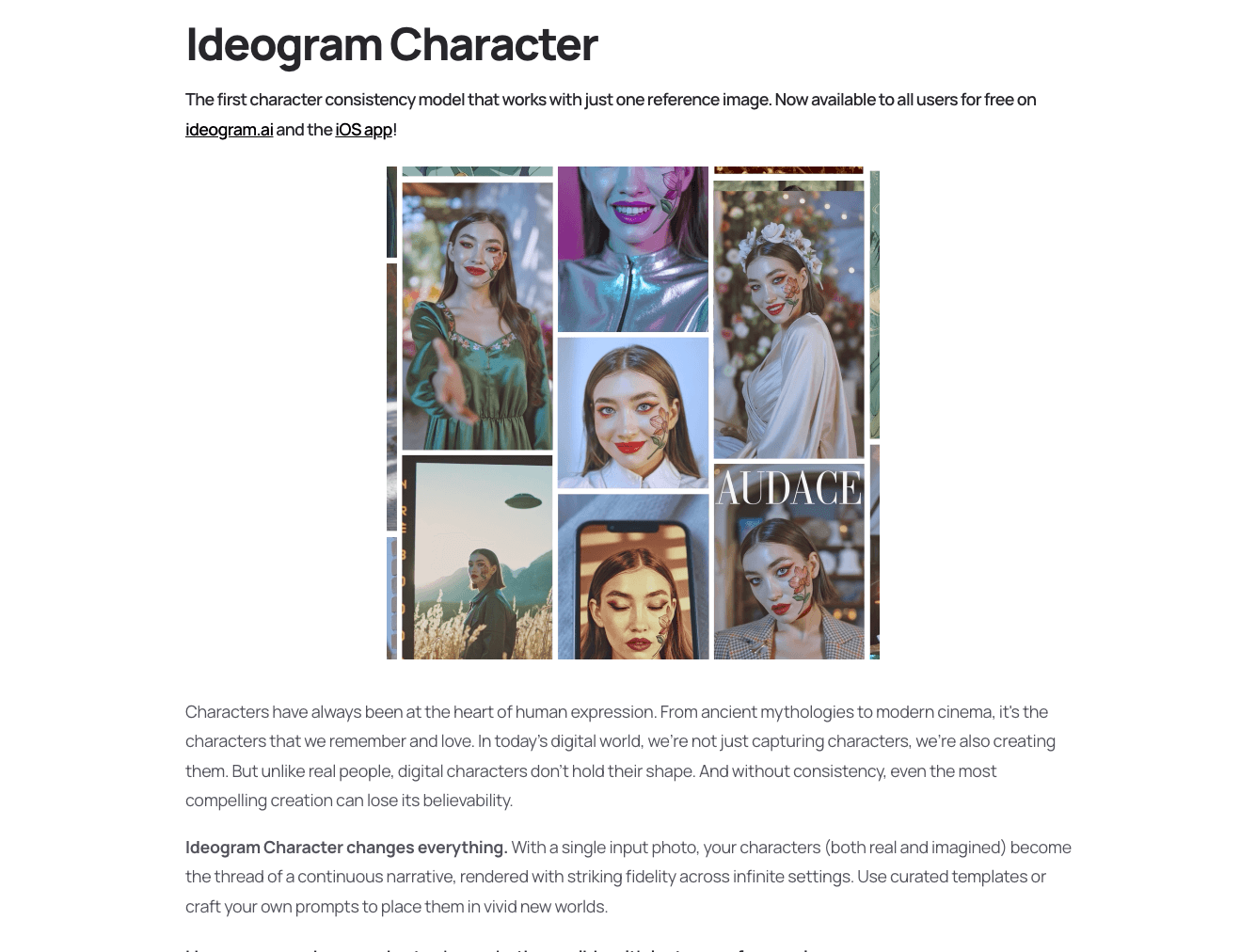
Overview
Ideogram Character solves a common image-generation problem: a person or fictional character often changes noticeably from one prompt to the next. Upload one reference, adjust the automatically detected face-and-hair mask if needed, and use it alongside a prompt to place that character in new settings, poses, outfits, and visual styles.
The feature is most useful inside Ideogram's broader editing workflow. Magic Fill can place a character into an existing scene, while Describe and Remix can borrow the composition or aesthetic of another image. It is fast enough for story concepts, campaigns, and social series, but “consistent” does not mean identical—identity, body, clothing, hands, and fine details still need human review.
Use cases
The strongest fit depends on the job you need the product to complete, not the size of its feature list.
Keep a protagonist recognizable across scene, mood, wardrobe, and location experiments.
Place an authorized creator likeness into recurring visual formats without photographing every setup.
Explore a recurring fictional character across campaign concepts before formal production design.
Generate fast visual variations of a spokesperson or character in different product and lifestyle contexts.
Test scenes, costumes, art direction, and compositions before investing in illustration, photography, or video.
Use Describe and Remix to carry one character into different photographic, graphic, or illustrated treatments.
Learn by doing
Explore the latest step-by-step AI guides from The Rundown University.
Capabilities
Create a reusable character reference from one real or generated source image.
Ideogram automatically masks the face and hair as the main identity signal.
Adjust which parts of the reference define the character when the automatic selection needs correction.
Describe the new location, action, framing, clothing, lighting, mood, and style around the referenced character.
Mask an area in an existing image and generate the referenced character into that location.
Convert an inspiration image into a detailed prompt, then apply that prompt to the character reference.
Borrow visual structure or style from another image while using the chosen character reference.
Start from curated character scenarios when a blank prompt is not useful.
Continue refining results with Ideogram generation and editing tools rather than exporting after one pass.
Plus, Pro, and Team users can keep generations unpublished instead of contributing them to the public gallery by default.
Process
Step 1
Use your own image, an owned fictional design, or a real person's reference with clear informed consent for the intended use.
Step 2
Start with a sharp, well-lit image where the face and hair are visible and not heavily occluded.
Step 3
Correct the selected face-and-hair area so irrelevant background or missing identity details do not weaken the reference.
Step 4
Specify scene, action, camera, composition, wardrobe, expression, lighting, style, and any details that must remain fixed.
Step 5
Test one representative scene and compare identity fidelity before producing an entire sequence.
Step 6
Apply Magic Fill when the composition is already strong and only the character or selected area needs replacement.
Step 7
Compare face, hair, age, skin tone, body, clothing, accessories, proportions, hands, and environmental details across every selected image.
Step 8
Label synthetic imagery where required and retain consent, source references, prompts, chosen outputs, and final human edits.
Cost
Ideogram Character is part of Ideogram rather than a separate purchase. Free accounts may receive weekly credits, while Plus, Pro, and Team include unlimited character consistency. Image Reference and AI editing require priority credits, and Free generations are public by default.
$0
Eligible signed-in accounts receive a varying weekly allocation for slow generation.
$20 monthly or $15/month billed annually
The most practical individual tier for repeat character work and private generation.
$60 monthly or $42/month billed annually
Higher-volume individual production with batch and export improvements.
$30 monthly or $20/user/month billed annually
Shared administration and collaboration for at least two users.
Custom pricing
Custom credits, private model training, support, and commercial arrangements for larger organizations.
Pricing checked . Check current pricing at the source ↗
Assessment
Compare
The right alternative depends on the specific output, workflow, controls and budget your project requires.
Design
Choose the broader Ideogram page when evaluating the complete image platform, text rendering, editing suite, models, and general generation rather than this single feature.
Explore Ideogram →Design
Choose RenderNet for a workflow more specifically centered on consistent characters, virtual influencers, poses, and recurring creator content.
Explore RenderNet →Content Creator
Choose Krea AI when real-time generation, enhancement, model choice, and broader creative iteration matter more than a one-reference character workflow.
Explore Krea →Questions
Ideogram Character is a character-consistency feature that uses one reference image to keep a real or fictional character recognizable across newly generated scenes and styles.
One. Ideogram automatically detects the reference face and hair, and the user can edit the mask that defines the character.
It can be used by Free accounts when eligible credits and the required generation mode are available. Current paid Plus, Pro, and Team plans explicitly include unlimited character consistency.
Not on Free by default. Ideogram says images are published to its community unless the user has a paid plan that supports private or unpublished generation.
Only with the necessary consent and rights. Ideogram's usage policy prohibits uploading individuals without consent and forbids invasive, deceptive, and misleading uses.
Ideogram says it does not claim ownership of generated images and allows commercial use. You remain responsible for the reference photo, likeness, trademarks, copyrights, contracts, and all other third-party rights.
Not reliably. The core identity mask focuses on face and hair. Explicitly prompt important wardrobe and physical details, then review every output for continuity.
Its general privacy policy says user input may be used to improve services and train models. Ideogram separately states Enterprise inputs are not used to train shared models, so sensitive commercial likenesses should use the appropriate contracted product.
Magic Fill places the character into a masked area of an existing image. Describe creates a detailed prompt from inspiration, and Remix helps carry over visual composition or style while applying the character reference.
Bottom line
Ideogram Character is an impressively low-friction way to keep one person or fictional character recognizable across concept images. It is especially valuable for storyboards, creator content, and campaign exploration when combined with Magic Fill and Remix. For production identity systems, expect continuity cleanup, secure the likeness rights first, and use a paid private or enterprise workflow when the reference is sensitive.
Visit Ideogram Character website ↗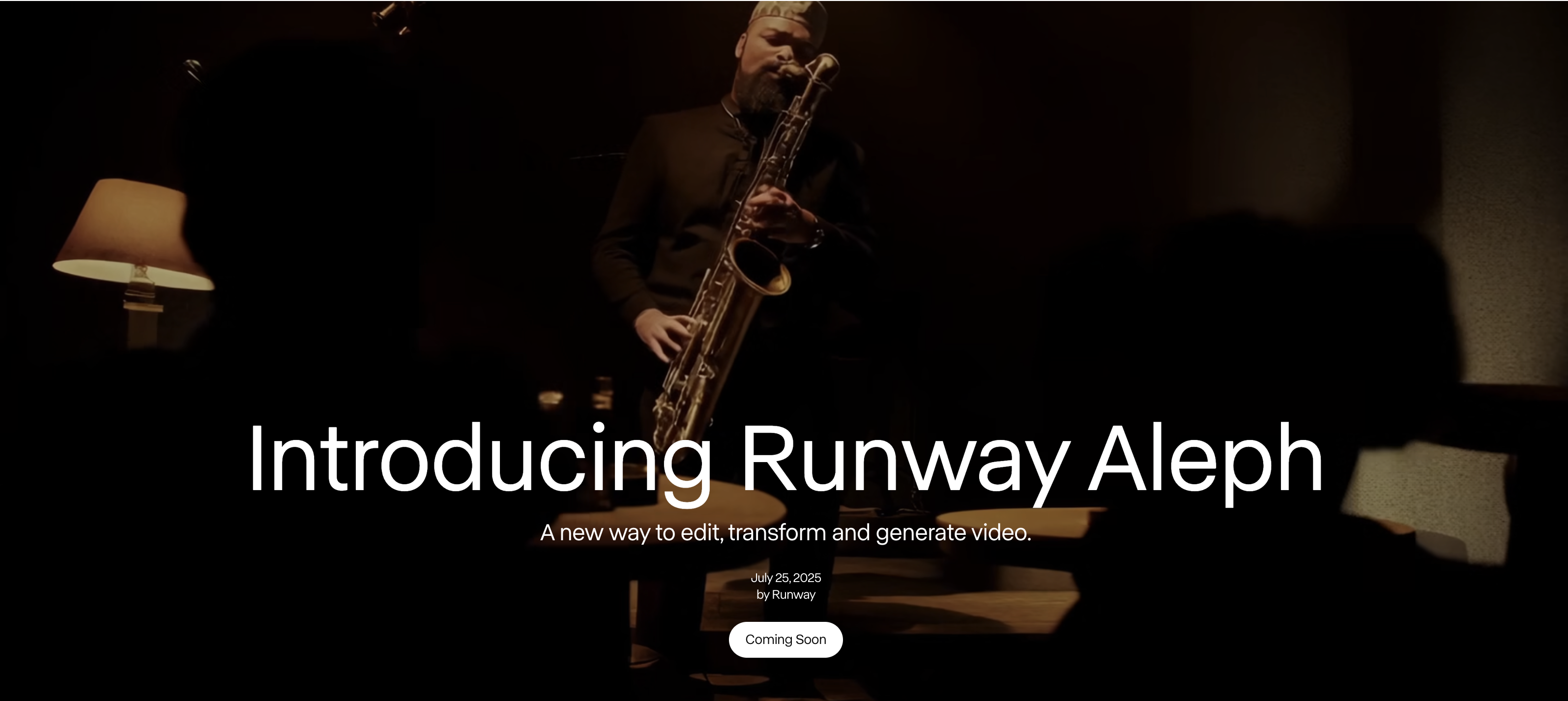
Runway Aleph - A new “in-context” video model that edits and transforms existing footage through text prompts, handling tasks from generating new camera angles to removing objects and adjusting lighting.
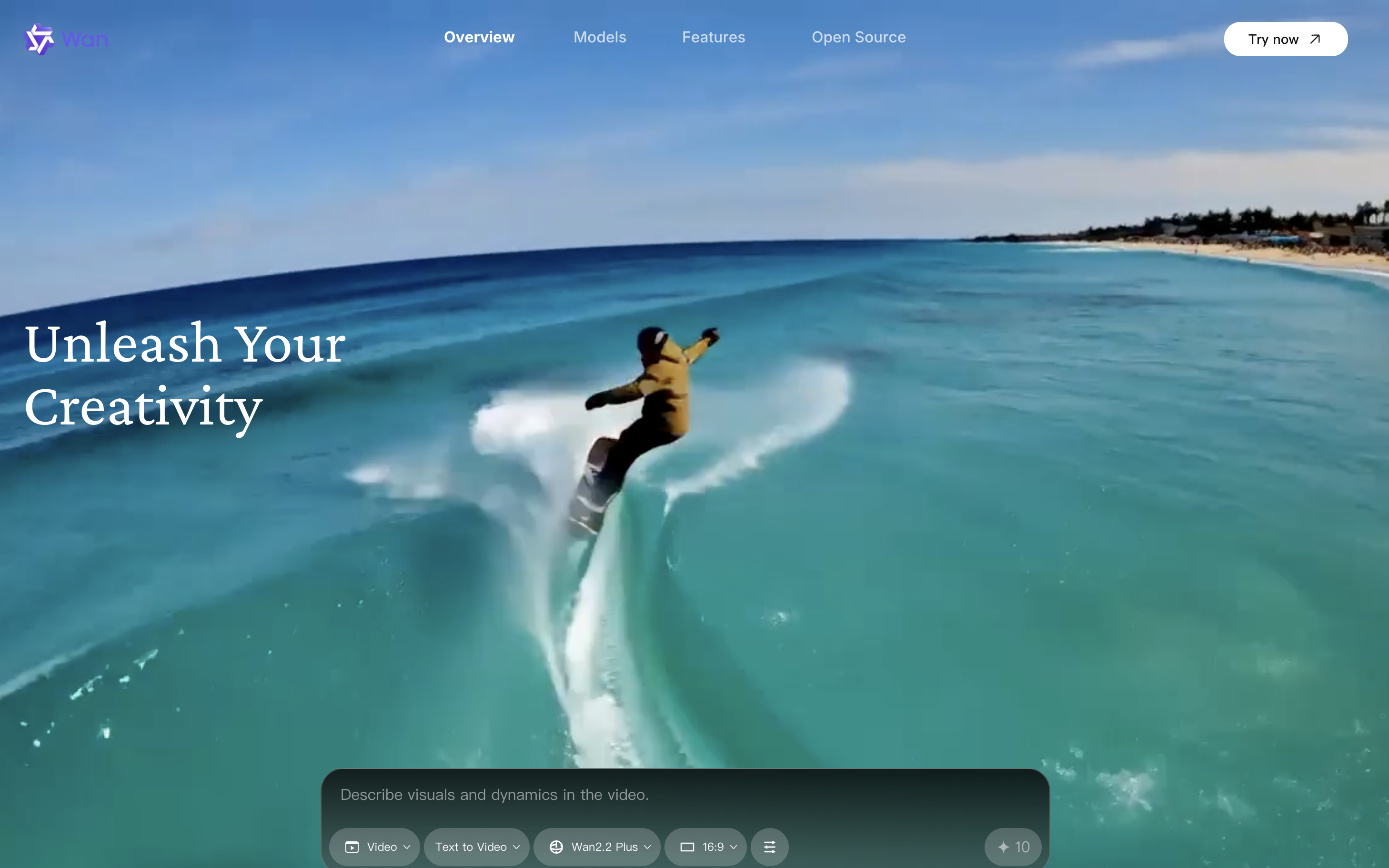
Wan2.2-S2V - Audio-Driven Cinematic Video Generation
LTXV - Lighttrick's open-source video model with 60-second outputs and real-time streaming
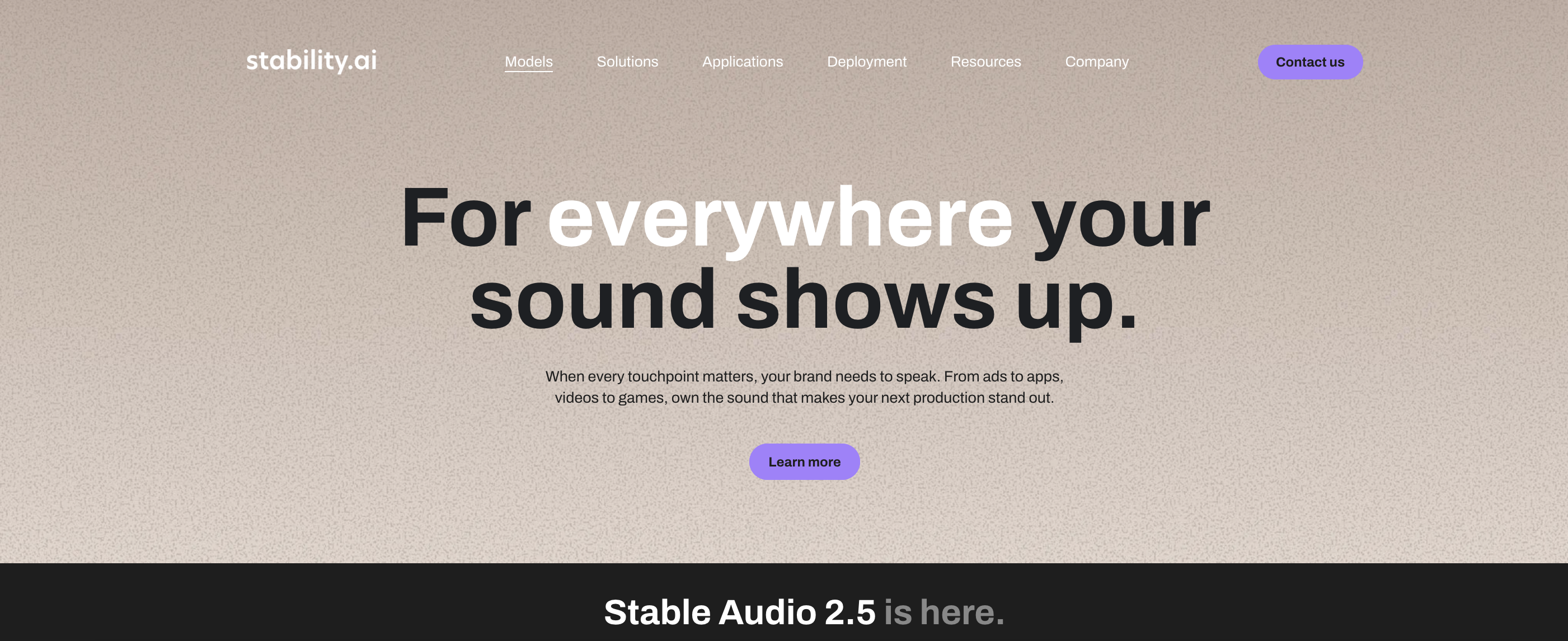
Stable Audio 2.5 - Stability AI's new audio model for enterprise-grade outputs

Get access to all our AI courses, hundreds of real-world AI use cases, live expert-led workshops, an exclusive network of AI early adopters, and more.
Get unlimited access to all of our current & upcoming industry-specific AI courses for the duration of your subscription.
To keep up with the rapid pace of AI, our team publishes AI implementation guides daily. Our library contains 300+ practical use cases to automate real-world work.
Join weekly, live, interactive sessions with industry leaders who are at the forefront of AI for hands-on implementation guidance and exclusive insights.
Network with an exclusive community of AI-first professionals who are working smarter with AI. Learn how early adopters are using AI in their work and businesses.


